Handpicked hotels, resorts and villas · Gujarat and beyond +91 77192 12345booking@stayguru.in
Sightseeing · Kutch, Gujarat

Indian Wild Ass Sanctuary

Explore the fascinating Indian Wild Ass Sanctuary in the Little Rann of Kutch, Gujarat, a unique wildlife destination famous for the rare Indian Wild Ass (Khur), vast salt desert landscapes, exciting jeep safaris and spectacular migratory birds. Experience one of India's most extraordinary desert ecosystems and discover its remarkable wildlife.
Best timeOctober to March is the best time to visit the Indian Wild Ass Sanctuary. The winter season offers pleasant weather, excellent wildlife-spotting opportunities a
Timings06:00 AM to 06:00 PM (Daytime visiting hours)
Entry / permitFree Entry – No Entry Fee.
Time needed3–4 hours

About Indian Wild Ass Sanctuary

Indian Wild Ass Sanctuary, Little Rann of Kutch, Gujarat

The Indian Wild Ass Sanctuary, located in the spectacular Little Rann of Kutch in Gujarat, is one of India's most remarkable wildlife destinations. Famous for protecting the rare Indian Wild Ass, locally known as Khur or Ghudkhar, this extraordinary sanctuary offers visitors an opportunity to experience unique desert wildlife, breathtaking salt-flat landscapes and diverse birdlife.

Spread across approximately 4,953.71 square kilometres, the sanctuary is among India's largest wildlife sanctuaries. It extends across parts of Kachchh, Surendranagar, Morbi, Patan and neighbouring regions. Established in 1973, it plays an important role in conserving the last remaining natural population of the Indian Wild Ass.

Discover the Indian Wild Ass

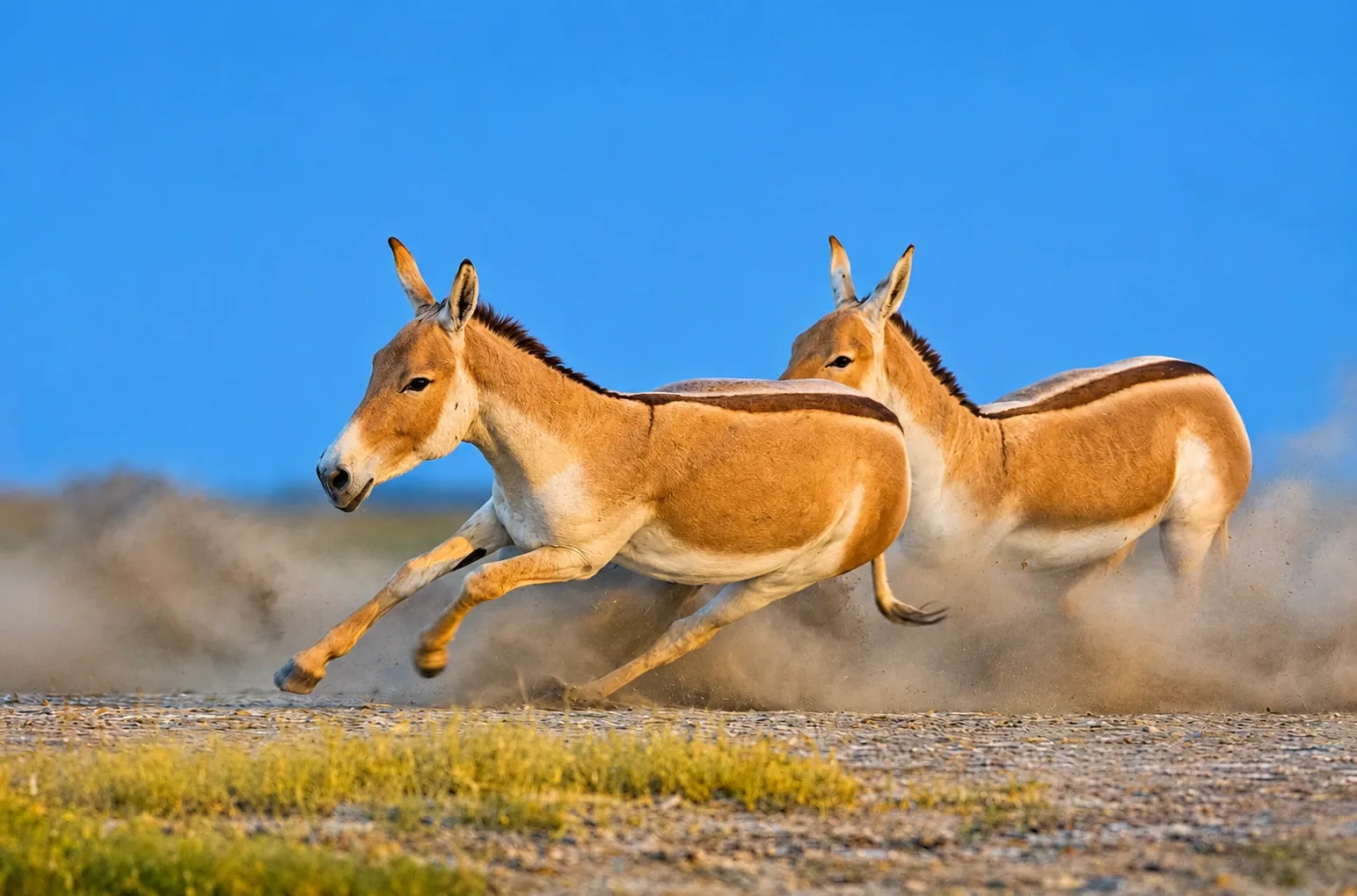
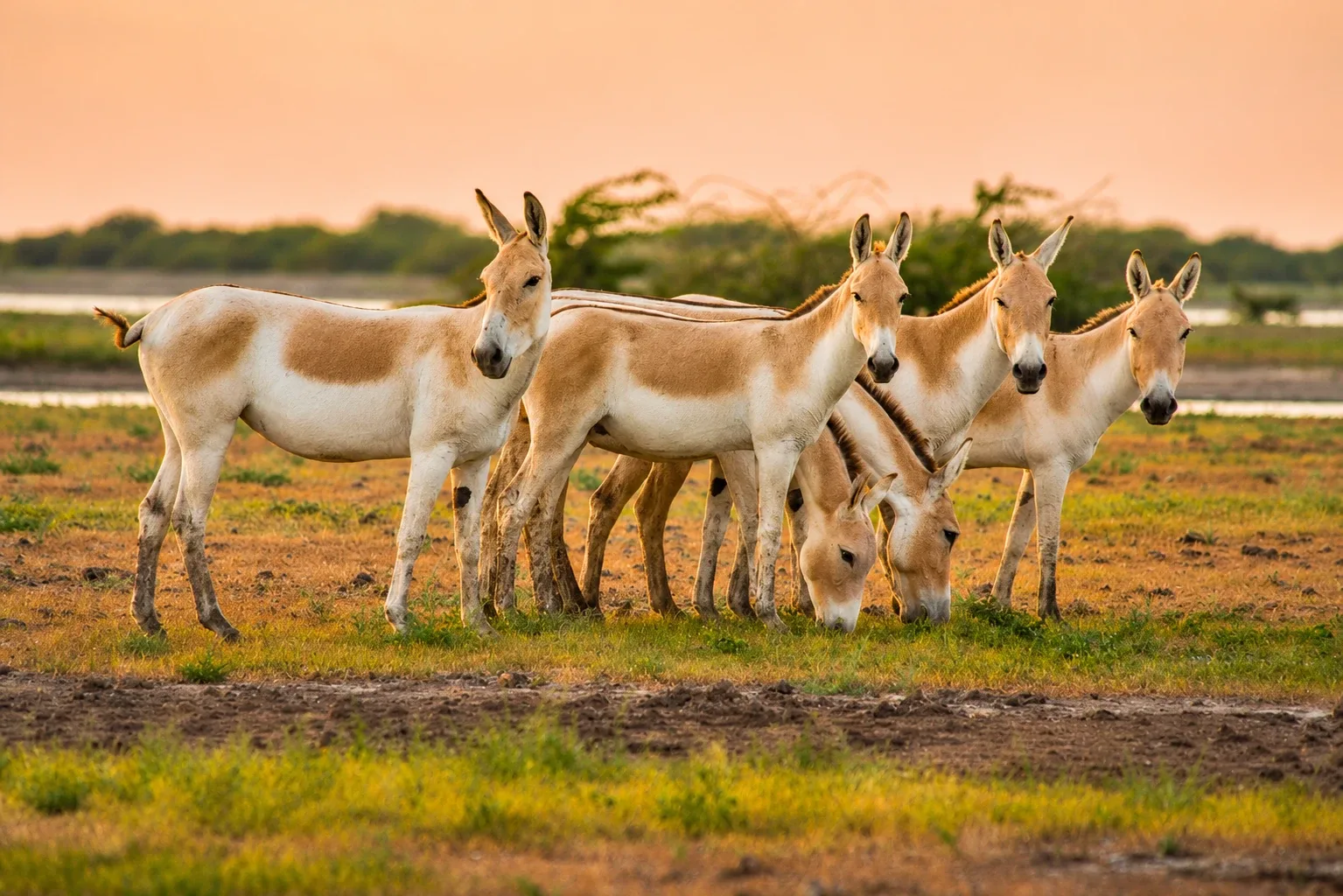
The Indian Wild Ass (Equus hemionus khur) is the sanctuary's most famous resident. Recognised by its sandy-brown coat, strong legs and distinctive dark stripe along its back, this magnificent wild animal is perfectly adapted to the challenging desert environment.

Visitors can often spot groups of Indian Wild Ass roaming freely across the vast open plains, grasslands and elevated islands known as Bets. Watching these beautiful animals running across the endless salt desert is one of the most memorable experiences of visiting the Little Rann of Kutch.

Wildlife and Birdwatching Experience

Beyond the Indian Wild Ass, the sanctuary supports an impressive variety of wildlife. Visitors may encounter Nilgai (Blue Bull), Chinkara, Blackbuck, Desert Fox, Indian Wolf, Jackal and other desert-adapted species.

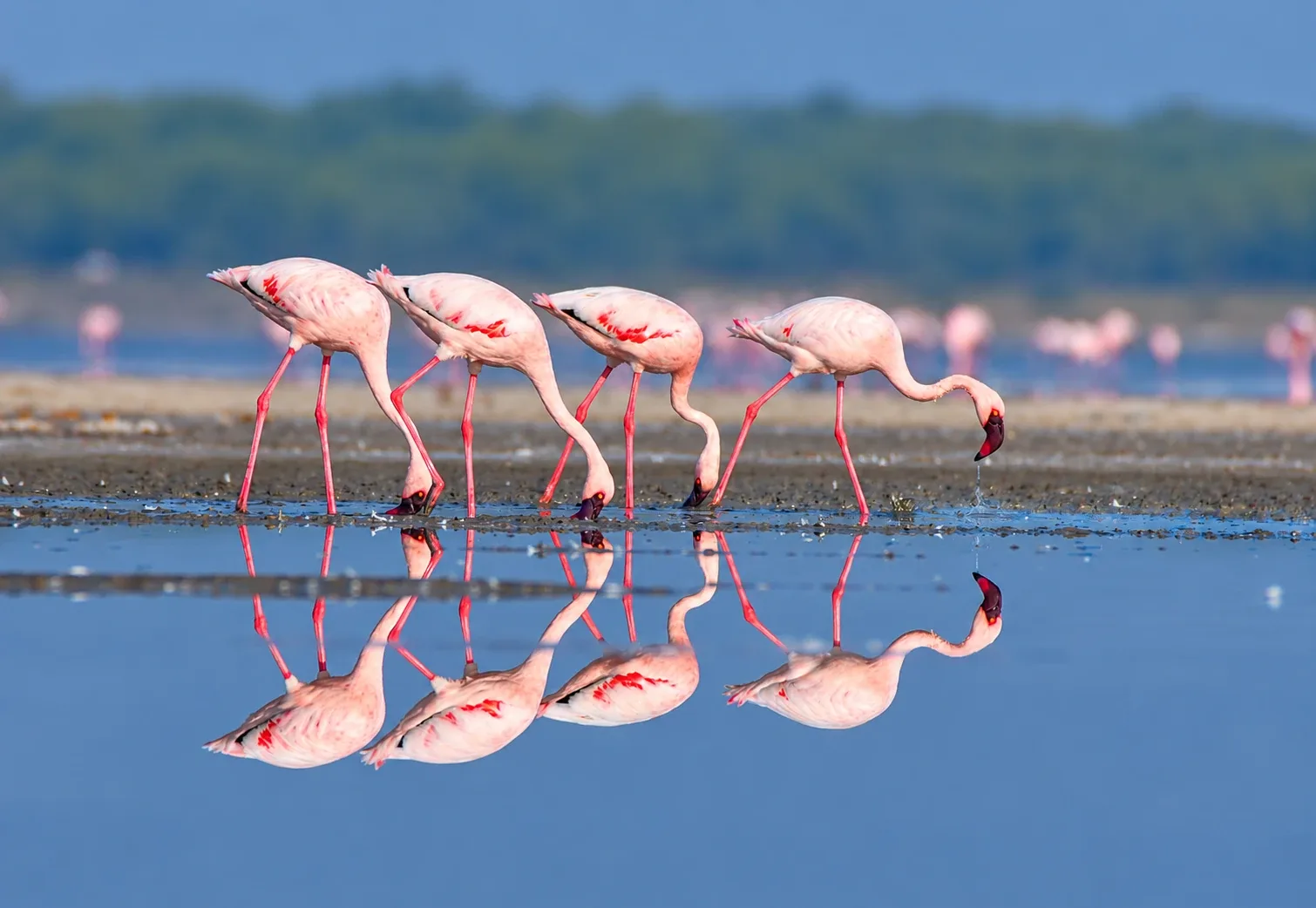
The Little Rann of Kutch is also an important destination for birdwatchers. During the winter months, migratory birds arrive in large numbers, transforming the seasonal wetlands into a spectacular natural habitat.

Some notable birds include:


  • Greater and Lesser Flamingos
  • Demoiselle Cranes
  • Common Cranes
  • Pelicans
  • Raptors and various migratory waterbirds
  • Houbara Bustard

The seasonal wetlands, shallow water bodies and salt flats create a fascinating environment for wildlife photography and birdwatching.

Experience an Exciting Jeep Safari

A jeep safari is one of the best ways to explore the Indian Wild Ass Sanctuary. Accompanied by an authorized local guide, visitors can travel through the vast desert terrain in search of wildlife.

During the safari, you can discover the unique geography of the Little Rann, observe wild asses in their natural surroundings, photograph desert landscapes and experience the tranquillity of this extraordinary ecosystem.

Early morning and late afternoon safaris generally offer excellent opportunities for wildlife observation and photography.

Explore the Unique Landscape of Little Rann of Kutch

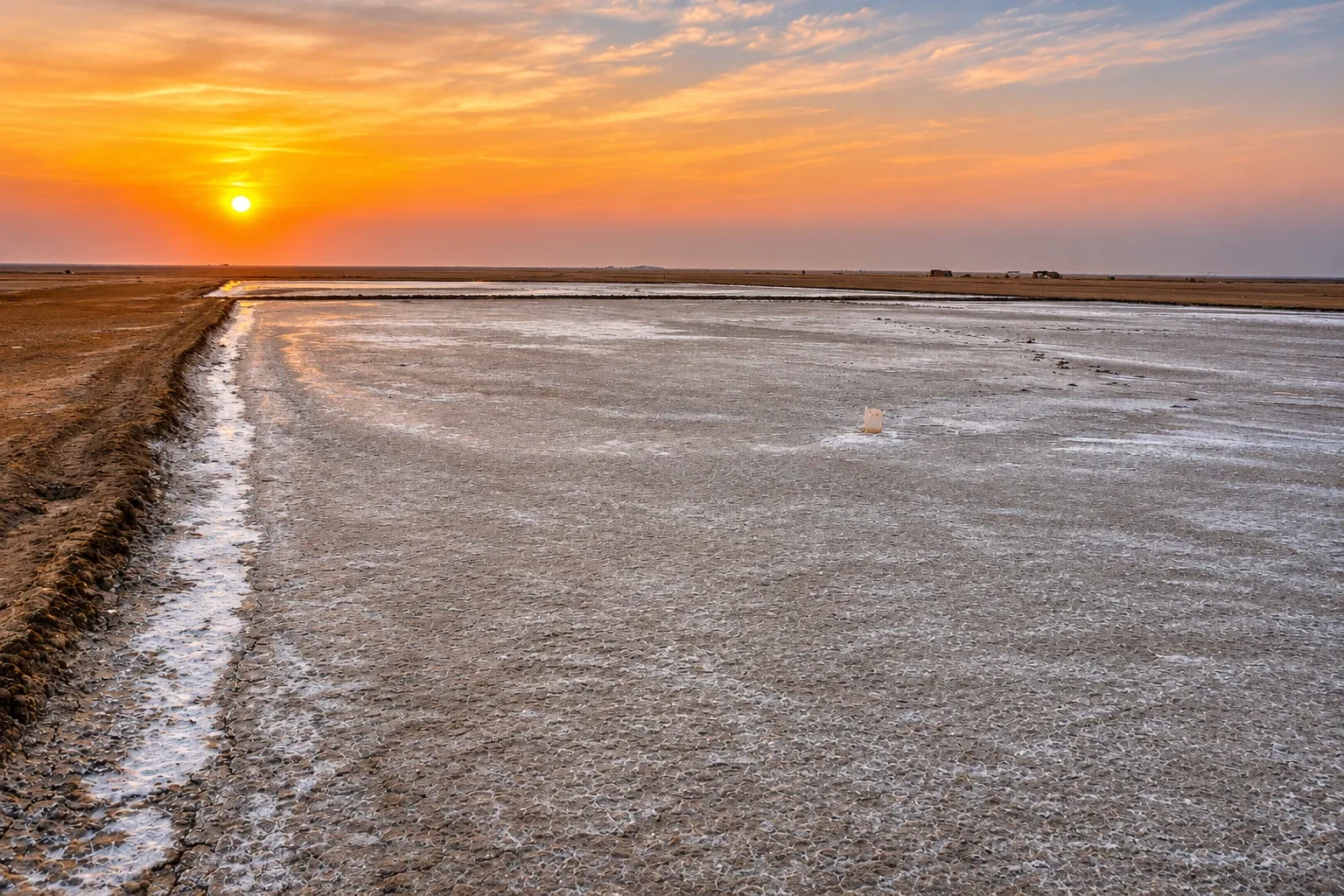
The Little Rann of Kutch is famous for its dramatic landscape of endless salt-encrusted plains, seasonal wetlands, grasslands and scattered elevated islands called Bets.

During the monsoon, large sections of the Rann become flooded, creating seasonal wetlands. As the water recedes, the landscape gradually transforms into a vast white and brown salt desert.

This remarkable seasonal transformation makes the region particularly attractive to nature lovers, photographers, wildlife enthusiasts and travellers seeking experiences beyond conventional tourist destinations.

Best Time to Visit Indian Wild Ass Sanctuary

The ideal time to explore the sanctuary is from October to March.

October to November: Enjoy the changing desert landscape and pleasant post-monsoon weather.

December to February: Excellent conditions for wildlife photography, jeep safaris and migratory birdwatching.

March: A good period for observing wildlife, although daytime temperatures begin to rise.

Winter is particularly recommended for travellers interested in birdwatching and exploring the Little Rann comfortably.

How to Reach Indian Wild Ass Sanctuary

The sanctuary is accessible from several major destinations in Gujarat. Popular visitor access points and nearby tourism bases include Dasada, Bajana, Zainabad and Dhrangadhra.


  • By Road: Ahmedabad, Bhuj and Rajkot are connected to the Little Rann region through road networks. Local transfers and private vehicles are convenient options.
  • By Train: Dhrangadhra and other nearby railway stations provide rail connectivity to the region.
  • By Air: Sardar Vallabhbhai Patel International Airport, Ahmedabad, is a major airport for travellers visiting the sanctuary.

Visitors are advised to arrange their safari, permits and transportation in advance.

Travel Tips for Visitors

  • Carry a camera or binoculars for wildlife observation and bird photography.
  • Wear comfortable clothing suitable for desert conditions.
  • Carry drinking water, sunscreen, sunglasses and a hat.
  • Prefer early morning or late afternoon safari sessions.
  • Follow the instructions of your authorized safari guide.
  • Maintain a safe distance from wildlife.
  • Avoid littering or disturbing animals in their natural habitat.
  • Check seasonal access and permit requirements before travelling.

Why Visit Indian Wild Ass Sanctuary?

The Indian Wild Ass Sanctuary is more than a wildlife destination; it is an opportunity to discover the extraordinary natural heritage of Gujarat. From observing the rare Indian Wild Ass to photographing migratory birds and exploring the spectacular salt desert, every experience offers something special.

Whether you are a wildlife enthusiast, nature photographer, birdwatcher or traveller exploring the Kutch region, a visit to the Indian Wild Ass Sanctuary promises an unforgettable journey into one of India's most distinctive ecosystems.

Plan your wildlife experience with StayGuru and explore the natural beauty of Gujarat and the Little Rann of Kutch.

Tips for visitors

  • Carry binoculars and a camera for wildlife observation and birdwatching.
  • Visit early in the morning or late afternoon for better wildlife photography opportunities.
  • October to March is the recommended season for comfortable weather and migratory birdwatching.
  • Arrange your Forest Department entry permit and authorized jeep safari in advance.
  • Wear comfortable clothes, sunglasses and sunscreen suitable for desert conditions.
  • Carry sufficient drinking water and personal essentials.
  • Maintain a safe distance from wild animals and never attempt to feed them.
  • Follow the instructions of your authorized local safari guide.
  • Avoid littering and help preserve the natural desert ecosystem.
  • Check current safari timings, road conditions and entry regulations before your visit.

How to reach

FAQs

Where is the Indian Wild Ass Sanctuary located?
The Indian Wild Ass Sanctuary is located in the Little Rann of Kutch in Gujarat, India. It extends across parts of Kachchh, Surendranagar, Morbi, Patan and surrounding regions. Dhrangadhra, Dasada and Bajana are popular access points for visitors.
The Indian Wild Ass Sanctuary is famous for protecting the last remaining natural population of the Indian Wild Ass (Equus hemionus khur), locally known as Khur or Ghudkhar. It is also renowned for its salt desert landscapes, jeep safaris, migratory birds and unique desert ecosystem.
What is the best time to visit Indian Wild Ass Sanctuary?
The best time to visit the Indian Wild Ass Sanctuary is from October to March. During these months, the weather is relatively pleasant, wildlife sightings are rewarding and migratory birds, including flamingos and cranes, can be observed.
Can tourists enjoy a jeep safari at Indian Wild Ass Sanctuary?
Yes, tourists can enjoy authorized jeep safaris at the Indian Wild Ass Sanctuary. A guided safari offers opportunities to spot Indian Wild Ass, Nilgai, Chinkara and various birds while exploring the unique landscapes of the Little Rann of Kutch.
What animals can be seen in Indian Wild Ass Sanctuary?
The sanctuary is home to Indian Wild Ass, Nilgai (Blue Bull), Chinkara, Blackbuck, Indian Wolf, Desert Fox, Jackal and other wildlife species. Wildlife sightings depend on the season, weather and safari route.
Is Indian Wild Ass Sanctuary good for birdwatching?
Yes, the sanctuary is an excellent destination for birdwatching, particularly during winter. Visitors may observe Greater Flamingos, Lesser Flamingos, Demoiselle Cranes, Common Cranes, Pelicans and several migratory and resident bird species.
What are the entry fees and permit requirements for Indian Wild Ass Sanctuary?
Visitors need the applicable Forest Department entry permit to access the sanctuary. Additional charges may apply for jeep safaris, vehicles and guide services. The fees can vary, so visitors should confirm the latest applicable charges before travelling.
How many hours are required to explore Indian Wild Ass Sanctuary?
Approximately 3–4 hours are recommended for a typical wildlife safari and sightseeing experience. Visitors interested in birdwatching, wildlife photography and exploring different landscapes may need additional time.
How can I reach Indian Wild Ass Sanctuary from Ahmedabad?
Indian Wild Ass Sanctuary can be reached from Ahmedabad by road through the Dasada, Bajana or other Little Rann access routes. The approximate distance is 100–120 km, depending on the chosen entry point. Private taxis and self-drive vehicles are convenient travel options.

Stays near Indian Wild Ass Sanctuary

White Rann (Dhordo) · Resort · Tent

Patgar Tent Resort

Stay at Patgar Resort in Patgar Village near Dhordo, Kutch, and experience a comfortable desert tent sta…

Best rate on request

More things to do

Book Now